
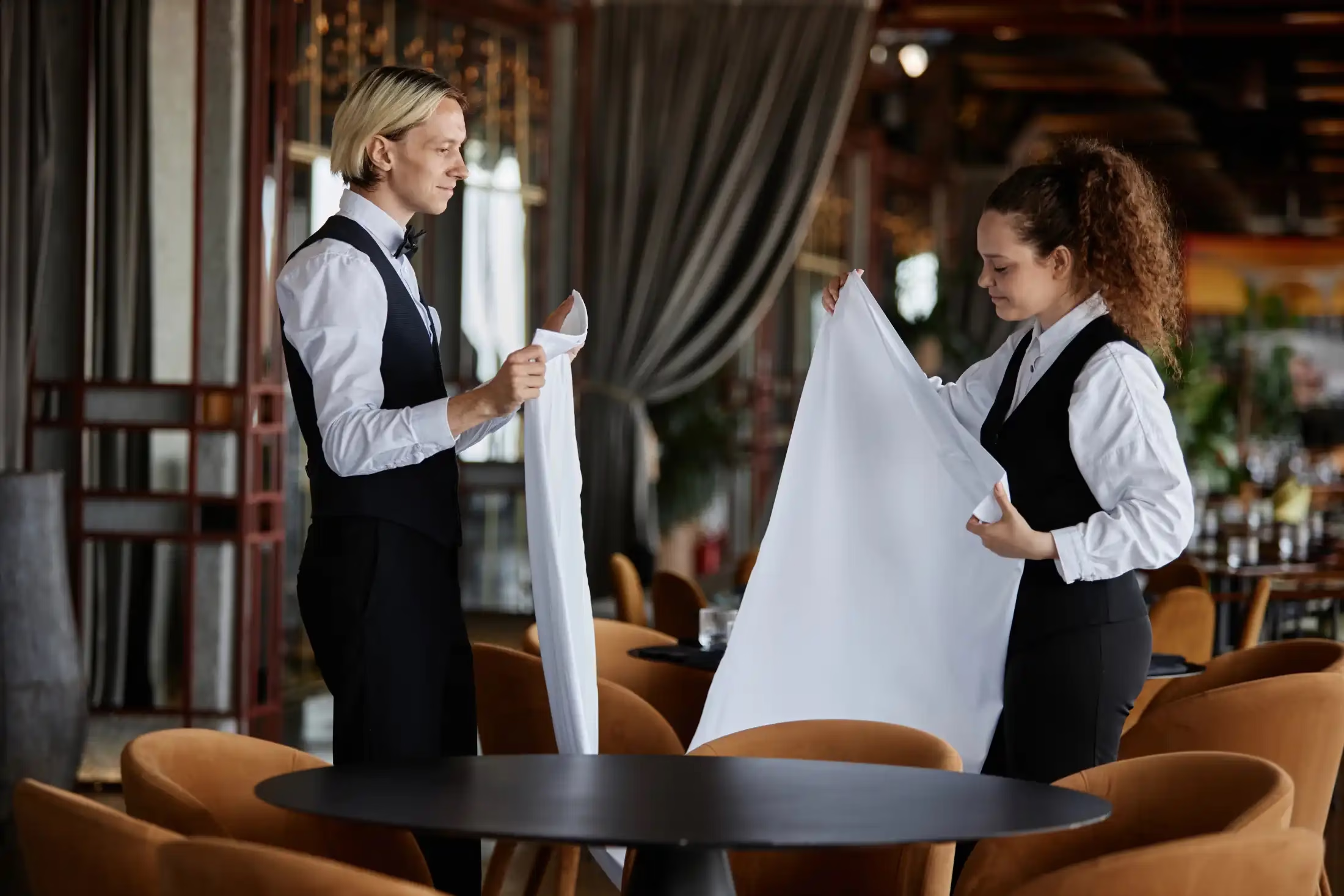
Event staffing is the process of sourcing, training, and managing the service professionals who bring an event to life: the captains, waiters, bartenders, and guest services staff your attendees actually interact with. Done well, it is invisible. Done poorly, it is the only thing anyone remembers. With the global events industry projected to reach $1.46 trillion in 2026, the stakes for getting it right have never been higher.
After 30 years of staffing events in New York, and now a year into building that same standard of service in Chicago, we have seen every version of the staffing question a planner can face. This guide covers what event staffing involves, the roles you may need, how the agency model works, what it costs, and how to choose a partner you can rely on.
What Is Event Staffing and How Does It Work?
Event staffing covers every person hired to deliver hospitality at a specific event or engagement, from a 20-person board dinner to a multi-day conference for thousands. Unlike permanent hires, event staff scale up and down with your calendar. You get a full team for the gala in October and no payroll obligation in November.
In-house teams vs. staffing agency partners
Some venues and caterers maintain in-house service teams. It works until it doesn’t. Peak season arrives, three servers call out, and the banquet manager spends the morning of the event making phone calls instead of running the room. An event staffing agency solves this by maintaining a deep, trained bench that flexes with demand. The best agencies also absorb the administrative weight: recruiting, vetting, scheduling, payroll, taxes, and liability coverage all sit on their side of the table.
How the booking process works, from quote to event day
The process is simpler than most first-time clients expect:
- You share the event details: date, venue, guest count, service style, and any special requirements
- The agency recommends a team composition and provides a quote
- Staff are confirmed, briefed on your event specifics, and dressed to your standard
- A captain or point person manages the team on-site so you don’t have to
- After the event, you receive one invoice instead of a stack of timesheets
The earlier you book, the more selective an agency can be about matching staff to your event. That said, experienced agencies handle short-notice and same-day requests more often than you might think.
Front-of-House Event Staffing Roles Explained
The right team composition depends on your event format, guest count, and service style. These are the core front-of-house roles professional agencies provide.
Captains and waitstaff
Captains are the quarterbacks of event service. They translate your run-of-show into floor assignments, manage timing between courses, and solve problems before you hear about them. Waitstaff handle everything guest-facing: passed canapés, plated dinners, buffet management, and the hundred small courtesies that make service feel effortless. Typical event staff duties for waiters include setup, tray service, table maintenance, and breakdown.
Bartenders and baristas
Professional event bartenders do far more than pour. They manage inventory, control pacing, check identification, and keep lines moving during the post-ceremony rush or the conference happy hour surge. Baristas bring the same discipline to coffee service, an increasingly popular touch at corporate meetings and morning programs.
Guest services: coat check, reception, registration, and ambassadors
First and last impressions belong to guest services staff. Coat check attendants, receptionists, and registration staff set the tone at arrival. Workplace and event ambassadors extend hospitality beyond the ballroom, supporting corporate offices, activations, and conferences with a warm, brand-aligned presence. You can explore the full range of roles on our services page.
Why Do Companies Use an Event Staffing Agency?
Because sourcing talent alone has become genuinely difficult, the U.S. Bureau of Labor Statistics counted 969,000 open jobs in leisure and hospitality as of January 2026, and the American Hotel & Lodging Association reports that a majority of hotels remain understaffed despite raising wages and adding flexible scheduling. If full-time operators with dedicated HR teams struggle to hire, a planner with three weeks and no bench faces steep odds.
Reliability, scale, and last-minute flexibility
An established agency maintains a vetted talent community measured in the thousands, which changes the math entirely. Need 12 more servers because your client doubled the guest list on Tuesday? That is a phone call, not a crisis. Need consistent staff for a recurring corporate dining program? The same familiar faces can return week after week. Reliability is the entire product: showing up, and showing up ready.
Payroll, tax, and liability coverage
When staff works through a professional agency, payroll, employment taxes, workers’ compensation, and liability sit with the agency, not with you. For corporate clients and venues, this removes a significant category of risk. It is also a quiet marker of legitimacy; agencies that operate this way are running a real employment operation, not a gig list.
Trained vs. Placed: What Separates Great Event Staff
Here is the industry’s open secret: many staffing companies place people; far fewer train them. Placement means someone checked availability. Training means someone invested in skills before that person ever reached your floor.
What professional training actually covers
Real hospitality training covers service technique, safety certification, guest interaction, uniform and grooming standards, and the situational judgment that separates a fine event from a memorable one. We built our approach around what we call the art of intuition: hiring for warmth and personality, then training professionals to anticipate needs before guests articulate them. Over three decades, that philosophy has carried us through more than 138,000 events and 500,000 shifts, and it is the reason clients come back season after season.
When you evaluate any agency, ask one question first: do you train your staff, or just schedule them? The answer predicts your event day.
How Much Does Event Staffing Cost?
Professional event staffing is typically billed hourly per role, with rates varying by market, role, and event complexity. Expect premium agencies in major markets to charge more than gig platforms, because the rate includes training, vetting, supervision, insurance, payroll burden, and a guaranteed show rate.
What drives a custom quote
Most agencies, ours included, quote each event individually based on:
- Guest count and service style (plated dinners require more hands than receptions)
- Team composition (captains and bartenders carry different rates than support roles)
- Event duration, including setup and breakdown time
- Location and date (holiday peaks and citywide conventions tighten availability)
- Special requirements, from language skills to security clearances
A useful reframe: the cost of professional staffing is rarely what breaks an event budget; understaffing is. Long bar lines, cold entrées, and an unstaffed coat check at 11 p.m. cost more in reputation than the two additional servers would have cost in dollars. With 72% of marketers rating events as their most effective marketing channel, the experience you deliver is the return on the entire investment.
How to Choose the Right Event Staffing Partner
A short evaluation checklist we would give any planner, even one who never calls us:
- Ask about training programs, not just headcount
- Confirm payroll, tax, and liability coverage in writing
- Ask how they handle last-minute changes; listen for a process, not a promise
- Request references from clients with recurring engagements, since repeat business is the truest signal
- Look for local depth in your market, like our teams in New York and Chicago
- Pay attention to responsiveness during the quote process; it previews the partnership
Price matters, but planners who have been burned once tend to agree: reliability is the thing you are actually buying.
Staff Your Next Event with Confidence
Event staffing is the difference between planning an event and enjoying one. Understand the roles you need, book with realistic lead time, and choose a partner that trains its people and stands behind them with real coverage. If you are planning an event in New York or Chicago and want a team that arrives prepared, we would love to hear about it. Request a quote and tell us what you are building; your smile at the end of the night is the metric we care about.
Frequently Asked Questions
What is event staffing?
Event staffing is the sourcing, training, and management of hospitality professionals for a specific event or ongoing engagement. It covers front-of-house roles such as captains, waitstaff, bartenders, baristas, coat check, reception, registration, and ambassadors, typically provided by a specialized event staffing agency.
What is the difference between event staffing and temporary staffing?
Temporary event staffing is one form of event staffing focused on short-term needs, such as a single gala or conference. Many agencies also provide ongoing support for venues, corporate dining rooms, and universities, where the same trained staff return on a recurring schedule.
How far in advance should I book event staff?
Book as early as your date is confirmed, ideally several weeks out for large or peak-season events. Established agencies can often accommodate short-notice and even same-day requests, but earlier booking gives you first pick of the most experienced team members.
Do event staffing agencies handle payroll and insurance?
Reputable agencies do. Staff is employed, paid, and insured by the agency, which covers payroll taxes, workers’ compensation, and liability. This protects clients from employment risk and is a key advantage over informal hiring.
How many event staff do I need for my event?
It depends on service style. Plated dinners generally require one server per 10 to 12 guests, while receptions need fewer. Bars typically require one bartender per 50 to 75 guests. A good event staffing agency will build the exact team composition from your guest count and format.